
"Peruvian coffee origins"
400 article(s) found

What brand of coffee in Peru tastes good _ Peruvian coffee beans recommended by brands _ how much is Peruvian coffee beans
Professional coffee knowledge exchange more coffee bean information please follow the coffee workshop (Wechat official account cafe_style) Peruvian coffee beans taste good? Which brands of Peruvian coffee are cost-effective? Peru Peru is dominated by small farmers, each of whom has less than two hectares of land and produces about 3000 pounds of coffee per hectare. It has a long history of organic cultivation in Peru.

Introduction to the flavor and characteristics of Peruvian cahamaka coffee beans _ how to make Peruvian EL CHAUPE coffee beans
For more information on coffee beans, please follow the coffee workshop (Wechat official account cafe_style) Peruvian coffee, which is famous for its organic coffee. Peru (Spanish: Per; Quechua, Aymara: Piruw), the full name of the Republic of Peru (Spanish: Repblica del Per), is a country in western South America. Flavor and taste characteristics: excellent

Description of flavor characteristics of Peruvian coffee beans and planting conditions of Peruvian coffee producing area
Peruvian coffee, famous for its organic coffee. Peru (Spanish: Per; Quechua, Aymara: Piruw), the full name of the Republic of Peru (Spanish: Repblica del Per), is a country in western South America. Flavor and taste characteristics: high quality and balanced, palatable acidity, can be used to blend coffee Peru is a coffee-rich country with only 10% of Arabica

Rich aroma Peruvian coffee grindness taste boutique coffee flavor description method introduction
Independence was declared on July 28, 1821, and the Republic of Peru was established. On October 28, 1835, Bolivia and Peru formally merged, known as the Confederacy of Peru and Bolivia. On February 20, 1839, the Confederacy completely disintegrated. Slavery was abolished in 1854. From 1879 to 1883, Peru joined Bolivia and Chile in the South American Pacific War for saltpeter production. After Peru's defeat, Chile captured the world.
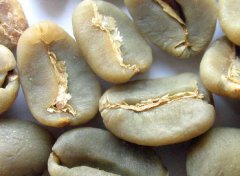
Peruvian coffee has both the brightness of Central American coffee and the mellowness of South American coffee.
Fine coffee is made from boutique coffee beans. If the beans that make coffee are not boutique coffee beans, the coffee liquid produced cannot be called fine coffee. Boutique coffee is fresh coffee. Whether it's food or drink, of course, the fresh the better, and so is boutique coffee. High-quality coffee should keep the beans fresh before making, including the preservation of roasted beans, and the coffee should be made before making.

Introduction to the characteristics and taste of Peruvian coffee manor with elegant and mild sour taste
After peaceful negotiations between the two sides in 1929, Peru took back Tacona.

Rich and Sweet Peruvian Coffee Flavor description introduction of boutique Coffee
Independence was declared on July 28, 1821, and the Republic of Peru was established. On October 28, 1835, Bolivia and Peru formally merged, known as the Confederacy of Peru and Bolivia. On February 20, 1839, the Confederacy completely disintegrated. Slavery was abolished in 1854. From 1879 to 1883, Peru joined Bolivia and Chile in the South American Pacific War for saltpeter production. After Peru's defeat, Chile captured the world.

What are the coffee producing areas in Peru? The characteristics of Peruvian coffee beans? How do you make Peruvian coffee?
Professional coffee knowledge exchange more coffee bean information please follow the coffee workshop (Wechat official account cafe_style) Peruvian coffee quality balance, can be used for mixed drinks. Peru is located in western South America with a coastline of 2254 kilometers. Its dry and mild climate is suitable for coffee cultivation. It also has other natural environments, including the world's longest Andes and tropical rain forests.

Coffee beans Peruvian cicada tea Mayu coffee beans
Up to 98 per cent of Peruvian coffee is grown in forest areas, most of the producers are small farmers, and Peru's best coffee is produced in several regions, such as Chanchamayo, Cuzco, Norte and Puno. Most Peruvian coffee is grown under natural conditions, but it is also difficult to confirm the cultivation of all coffee trees. Natural condition
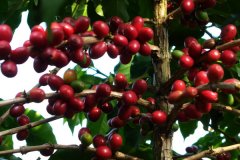
The famous producing area of Peruvian coffee is Chanchamayo, the mellow American coffee.
The global trend of modern coffee has gone through three popular stages: the first stage is the popularity of cheap coffee represented by instant coffee from the post-World War II to the 1960s; the second stage is the popularity of commercial coffee represented by Starbucks from the 1960s to the beginning of this century; the third stage is the popularity of boutique coffee, which originated in the 1970s and has become a trend in the past decade.
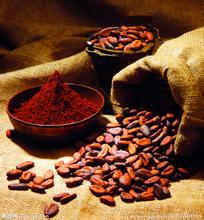
Rich and Sweet Peruvian Coffee Flavor description of the characteristics of producing areas introduction to the methods of taste treatment of fine coffee
Independence was declared on July 28, 1821, and the Republic of Peru was established. On October 28, 1835, Bolivia and Peru formally merged, known as the Confederacy of Peru and Bolivia. On February 20, 1839, the Confederacy completely disintegrated. Slavery was abolished in 1854. From 1879 to 1883, Peru joined Bolivia and Chile in the South American Pacific War for saltpeter production. After Peru's defeat, Chile captured the world.

Elegant and mild sour Peruvian Coffee Flavor description Variety characteristics of Fine Coffee
Independence was declared on July 28, 1821, and the Republic of Peru was established. On October 28, 1835, Bolivia and Peru formally merged, known as the Confederacy of Peru and Bolivia. On February 20, 1839, the Confederacy completely disintegrated. Slavery was abolished in 1854. From 1879 to 1883, Peru joined Bolivia and Chile in the South American Pacific War for saltpeter production. After Peru's defeat, Chile captured the world.

Peruvian Coffee Flavor description Grinding characteristics introduction to the taste of high-quality coffee beans in producing areas
Independence was declared on July 28, 821, and the Republic of Peru was established. On October 28, 1835, Bolivia and Peru formally merged, known as the Confederacy of Peru and Bolivia. On February 20, 1839, the Confederacy completely disintegrated. Slavery was abolished in 1854. From 1879 to 1883, Peru joined Bolivia and Chile in the South American Pacific War for saltpeter production. After Peru's defeat, Chile won the world's largest

The taste of Peruvian coffee is smooth and smooth. Introduction to the characteristics of fine coffee beans and organic coffee in manor area.
In 1542, the Spanish royal family set up the Government House in Lima and established the Governor's District of Peru, which became the center of Spanish colonial rule in South America. At that time, Peruvian commerce was prosperous, merchants controlled most of South America's import and export trade, and the precious metals and other goods looted by the Spaniards from South America were shipped out of Peru. The colonists encroached on land in Peru, forced the Mita system, and forced the Indians to

A brief introduction to the treatment method of grinding degree and baking degree of medium texture Peruvian boutique coffee beans
Peru is located in western South America, with a coastline of 2254 kilometers. The Andes runs from north to south, and the mountains account for 1% of the country's area. it belongs to the tropical desert region with a dry and mild climate. Peruvian coffee is mostly grown at the foot of the Andes, where it is rich in traditional Central American top coffee beans. Peruvian coffee beans grown in the central part of the country and Cusco in the south

Introduction to the description and treatment of taste and flavor in the producing area of Peruvian coffee
In 1542, the Spanish royal family set up the Government House in Lima and established the Governor's District of Peru, which became the center of Spanish colonial rule in South America. At that time, Peruvian commerce was prosperous, merchants controlled most of South America's import and export trade, and the precious metals and other goods looted by the Spaniards from South America were shipped out of Peru. The colonists encroached on land in Peru, forced the Mita system, and forced the Indians to
High-quality coffee beans recommend Peruvian cicada tea Mayou coffee beans
Up to 98 per cent of Peruvian coffee is grown in forest areas, most of the producers are small farmers, and Peru's best coffee is produced in several regions, such as Chanchamayo, Cuzco, Norte and Puno. Most Peruvian coffee is grown under natural conditions, but it is also difficult to confirm the cultivation of all coffee trees. Natural condition

Peruvian coffee bean brand APROCASSI Peruvian coffee? is Peruvian black coffee good?
Professional coffee knowledge exchange more coffee bean information please follow the coffee workshop (Wechat official account cafe_style) Peru APROCASSI although we have been closely watching their work for some time, 2019 marks the first time that Atlas has a relationship with APROCASSI (Asociacion de Productores Cafetaleros Solidarios de San Ignacio)
Peruvian cicada tea Mayu coffee beans
Up to 98 per cent of Peruvian coffee is grown in forest areas, most of the producers are small farmers, and Peru's best coffee is produced in several regions, such as Chanchamayo, Cuzco, Norte and Puno. Most Peruvian coffee is grown under natural conditions, but it is also difficult to confirm the cultivation of all coffee trees. Natural condition

Introduction to the price of manor flavor description treatment method in Peruvian coffee production area
In 1542, the Spanish royal family set up the Government House in Lima and established the Governor's District of Peru, which became the center of Spanish colonial rule in South America. At that time, Peruvian commerce was prosperous, merchants controlled most of South America's import and export trade, and the precious metals and other goods looted by the Spaniards from South America were shipped out of Peru. The colonists encroached on land in Peru, forced the Mita system, and forced the Indians to